
The Bayanihan Spirit: Welcoming All & Other Filipino Values

Celebrity Status
At one of our preparation trainings for the Fulbright TGC program, we told to prepare ourselves to be welcomed like celebrities. Now, having never been a celebrity myself, I didn't think much about taking this advice. Surely I could expect a warm welcome, but celebrity status? The program had to be overestimating our popularity.
They weren't. On the first day at my host school with my other two Fulbright teachers, there was a ceremony. A civics ceremony. It was fascinating to watch. There was singing. Lots of singing. There was recitation. There were announcements. And then there was our arrival.
We walked down the middle of the assembly of students to music and cheering. We brought on stage and we given beautiful ribbons and headpieces to wear. There were speeches. There was dancing. There was so. much. joy.

Bayanihan Spirit
And it had me wondering "why?". Why was everyone so joyful and excited for us to be there? We weren't staying long, only four days. And then, as the week went on, I figured it out. It is because of Filipino values. And one of their most recognizable values is hospitality as part of the Bayanihan Spirit.
Bayanihan Spirit is a value of community and camaraderie. It is coming together to help. It is generosity and sharing of resources. It is giving of yourself without expecting another in return because cooperation builds stronger communities.
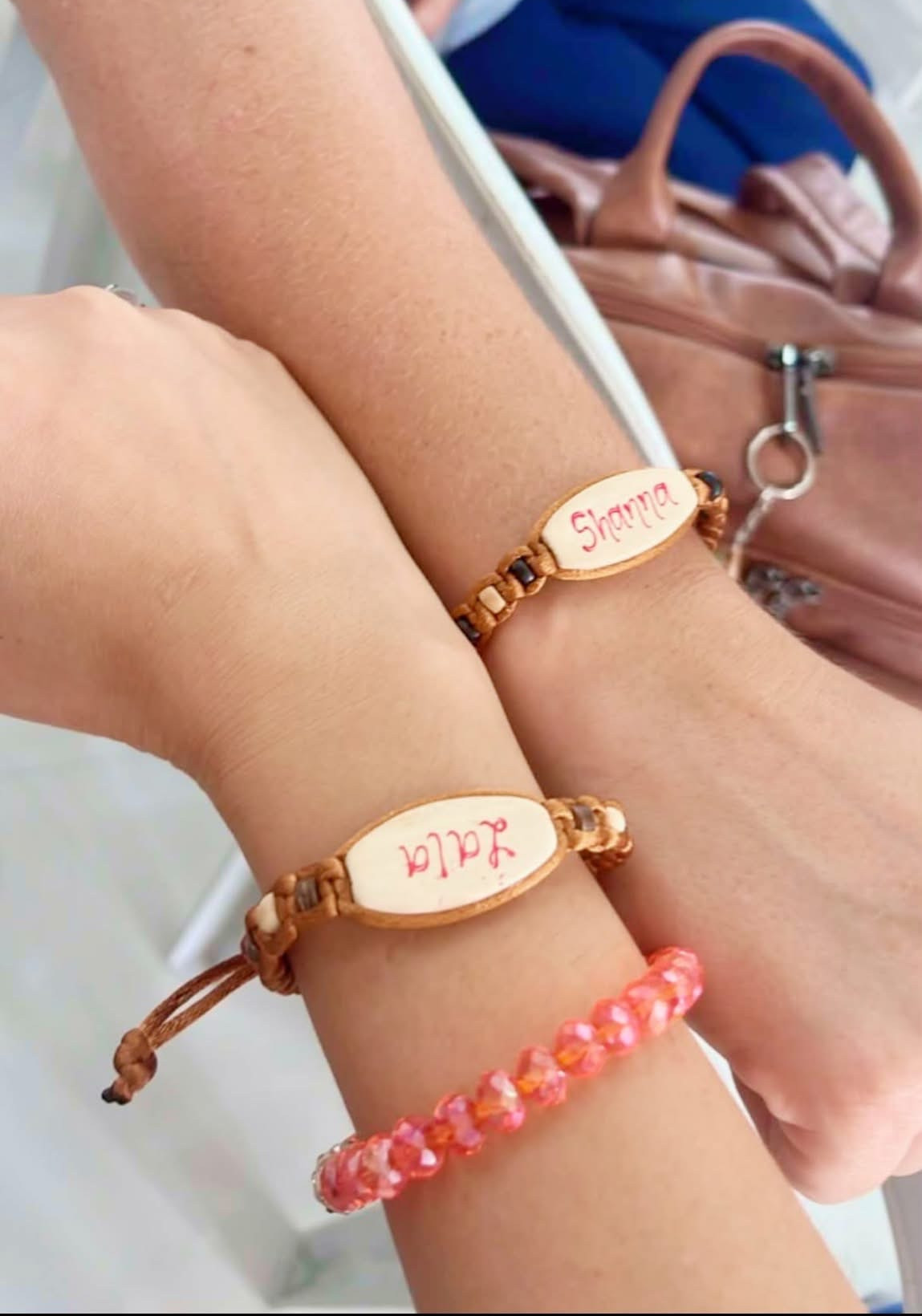
I would see it repeatedly during my time in the Philippines. Students would carry my supplies. There was food at every engagement. (SO much food!) Kindness and courtesy were everywhere.
Values-based Education
One of the reasons why this attitude exists is because schools participate in values-based education. There are four main values that students learn repeatedly throughout their academic years:
Maka-Diyos (God-loving/Fearing):
This value encourages spirituality and faith. It also guides ethical and moral decision-making.
Maka-Tao (Humane/Love of People):
This value promotes empathy, compassion, and kindness. It upholds respect for human dignity and others. This value is my personal favorite.
Makakalikasan (Nature-loving):
This value highlights environmental stewardship. It encourages sustainable living and protection of natural resources.
Makabansa / Maka-Bayan (Patriotic):
This value instills national pride and love of country. It promotes active participation in nation-building.
I was able to see these values play out everyday that I was there. They have been integrated so seamlessly into daily education and life that all I could do was admire, accept and incorporate them myself into my time there. And try to plan ways to bring them home.
Connecting the values of other cultures to own personal values is an important part of global education. Not only does it enable us to view the world through another lens, it also helps us deepen our understanding of our own beliefs, views, and values. Having a solid understanding of ourselves and being able to compare it others' beliefs objectively helps us analyze whether or not we should refine our way of thinking. Being willing to consider diverse perspectives is a key component of global education.
I'm curious: What do you think of values-based education? What would that look like in U.S. classrooms?


Comments